Voting rights stand as a pivotal element of American democracy, deeply embedded in the nation’s historical quest for freedom and equality. From the early days of the republic to the modern era, the evolution of these rights reflects a continual struggle against disenfranchisement. Today, as new challenges emerge, understanding the dynamic landscape of voting rights is essential for every citizen. This ensures not only awareness but also active participation in shaping the future of electoral processes in the United States.
Contents
Historical Milestones in Voting Rights
The journey of voting rights in America began with significant constitutional amendments that aimed to create an inclusive electorate. The 15th Amendment marked a pivotal turn by prohibiting voter discrimination based on race, color, or previous condition of servitude, laying the groundwork for a more democratic society. This was later complemented by the 19th Amendment, which extended suffrage to women, further democratizing the right to vote. Each Amendment not only expanded the electorate but also signaled shifts in societal values toward greater equality.
Subsequent milestones include the Voting Rights Act of 1965, which targeted racial discrimination in voting, a monumental legislation that significantly shaped the voting landscape. This Act was crucial for dismantling legal barriers at the state and local levels that prevented African Americans from exercising their voting rights as guaranteed by the 15th Amendment. Over the years, amendments to the Act have fortified its scope to address evolving forms of voter suppression, showcasing a dynamic legal framework responsive to the needs of a changing America.
Modern Challenges to Voting Access
In recent years, the landscape of voting rights has been marked by new challenges that threaten to roll back decades of progress. Voter ID laws have emerged as a contentious issue, with proponents arguing for security and opponents citing risks of disenfranchisement. These laws vary widely across states, creating a patchwork of regulations that can confuse voters and restrict access to the ballot box. The debate centers on balancing security with accessibility, a critical dialogue in safeguarding the integrity of elections.
Another pressing challenge is the intricacies of voter registration systems, which often disenfranchise citizens inadvertently. Problems such as registration errors, purging of voter rolls, and the closure of polling places disproportionately affect minority and low-income communities. Additionally, the surge in popularity of mail-in ballots has sparked intense debates over their impact on election security and voter participation. These modern issues underscore the ongoing struggle to maintain fair and equitable voting practices in every state.
The Role of the Supreme Court
The Supreme Court of the United States plays a decisive role in interpreting the laws that shape voting rights. Landmark cases like Shelby County v. Holder have had profound impacts, with the court’s decision to strike down key parts of the Voting Rights Act altering the enforcement of protections against voter discrimination. This decision has led to significant changes in how states enact voting laws, often without the same level of federal oversight, raising concerns about the potential for increased voter suppression.
Future cases and decisions will continue to define the landscape of American voting rights. As new challenges arise, the Supreme Court’s interpretations of the Constitution will undoubtedly influence the practical application of voting laws across the country. The ongoing debates surrounding these issues highlight the court’s crucial role in either fortifying or undermining the democratic process, making its decisions critical to the future of voting in America.
State-Specific Legislation and Its Impact
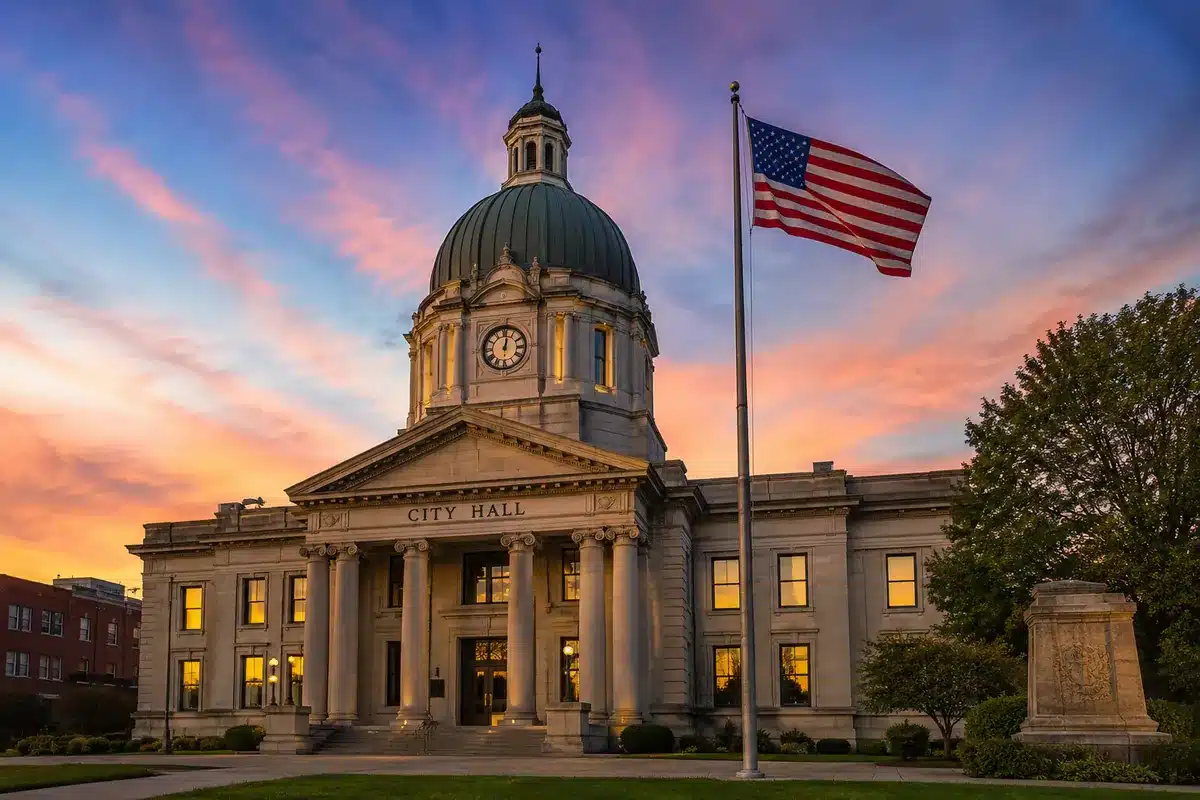
Across the United States, state legislatures wield significant power over how elections are conducted, leading to a diverse array of voting experiences. Some states have pioneered innovations like same-day registration and early voting, which have been shown to increase voter turnout. These progressive policies often set precedents that other states might follow, illustrating a forward-thinking approach to democratic participation. The variety of approaches provides a rich tapestry of strategies that can be analyzed for their effectiveness in promoting fair access to the ballot.
Conversely, some states have implemented laws that critics argue restrict voting rights, such as stringent voter ID requirements and limited polling hours, which can disproportionately affect hourly workers and minority populations. The tension between state autonomy in managing elections and the federal government’s role in ensuring equal voting rights is a persistent theme in American politics. This dynamic raises important questions about the balance of power and the best ways to protect every citizen’s fundamental right to vote, regardless of their state of residence.
Technological Advances and Voting
The integration of technology into the voting process has introduced both opportunities and challenges. Electronic voting systems, once hailed as a modern solution for efficient elections, have faced scrutiny over security vulnerabilities. These systems can expedite vote counting and potentially increase accessibility for disabled voters. However, the risk of hacking and technical failures raises serious concerns about the integrity of the vote, a cornerstone of democratic trust.
Furthermore, advancements like online voter registration and digital ballot delivery are transforming how people engage with the electoral process. These technologies can make voting more accessible, especially for younger generations and those living abroad. However, they also necessitate robust cybersecurity measures to prevent interference. As the U.S. continues to navigate the complexities of digital elections, the debate intensifies over how best to harness technology while safeguarding the sanctity of every vote.
Activism and Advocacy for Voting Rights
Activism plays a crucial role in the evolution of voting rights, with numerous organizations and individuals advocating for fair and transparent elections. Groups such as the ACLU and the NAACP Legal Defense Fund have been instrumental in challenging restrictive voting laws and practices that disenfranchise voters. Their efforts not only highlight systemic issues but also work to bring about legislative and social change that supports a more inclusive voting environment.
The impact of these advocacy efforts is evident in the mobilization of voters and the push for legislative reforms at both the state and federal levels. Campaigns to restore voting rights to disenfranchised groups, like ex-felons, demonstrate the power of coordinated grassroots movements. As advocacy continues to shape public policy and voter perception, the role of activists is increasingly recognized as vital to the preservation and expansion of voting rights in America.
The Future of Voting Rights in America
Looking ahead, the future of voting rights in America appears to be at a critical juncture. With demographic shifts, technological advancements, and ongoing legal battles, the landscape of voting is expected to continue evolving. Efforts to expand voting access, such as automatic voter registration and extended early voting periods, are gaining traction. These initiatives aim to make the voting process more inclusive and reflect a broader commitment to democratic values.
However, challenges remain as debates over voter ID laws and the handling of mail-in ballots continue to be polarized. The resolution of these issues will likely require a combination of legislative action, judicial oversight, and public advocacy. As America moves forward, the commitment of its citizens to uphold and enhance voting rights will be paramount in ensuring that all voices are heard and valued in the electoral process.
Keeping America’s Electoral Promise
As America navigates the complexities of modern voting rights, the ongoing commitment to preserving these rights is more critical than ever. With the evolving landscape of legal, technological, and societal challenges, it is essential for every citizen to remain informed and actively participate in advocacy. By engaging in this continual process, the nation can ensure that its electoral system remains robust, fair, and representative of all its people, reinforcing the foundational democratic principle that every vote counts.